







Introduction
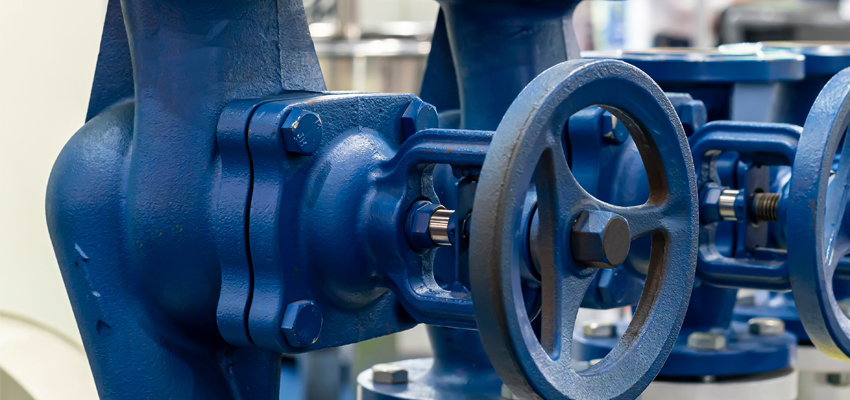
Friction units of thermal power-station (TPS) locking valves operate under conditions of high contact pressures, low movement speeds, and increased temperatures. The issue of friction loss is quite pressing for these devices, and service life of the valves, force at positioning with the flywheel, or required power of the electric engine depends on how successful this issue is solved in various structures.
Using greases to fix this issue is not effective since even the most heat-resistant perfluoropolyether base oils evaporate intensively and get oxidized at +230 to +250 ºС service temperatures.
This article examines the example of successful application of the solid lubrication technology to solve the task of friction reduction in the locking valves manufactured by the Firma SOYUZ-1, CJSC.
Task Setting
The C.K3 Series locking valves are used at thermal power-stations, main heat and power plants, and state district power plants as controlled shut-off devices to let through or to cut-off consumption of the operating medium flow. The valves manufactured by Firma SOYUZ-1, CJSC are equipped with flywheel for manual control, or built-in electric drive.
Total friction loss in the valve consists of friction losses in its individual moving mating parts. It is found out that the highest values they reach in the following mating parts:
- Rod thread and threaded bushing
- Smooth rod cylindrical surface and sealing elements
- Thrust plain bearing
Taking into account the valve operating conditions, using the solid lubrication technology is optimal to solve the issue of friction reduction. The solid lubricating materials are efficient at temperatures up to +600 °С, contact pressures up to 2,500 MPa, they demonstrate low friction coefficient up to 0.03 at slow sliding up to 0.5 m/s.
This technology can be implemented by applying Anti-Friction Solid-Film Coatings (ASC) onto the parts.
What are Anti-Friction Solid-Film Coatings?
The Anti-Friction Solid-Film Coatings technology enables to form a thin 5 to 20 µm thick composite layer on the part surface. This layer is a polymer matrix firmly bonded to the base while its cells are filled with the ultrafine particles of the solid lubricating substance (see Fig.2, 3). The coating has high compression strength and low shear strength. As a result, the dry friction coefficient reaches the values of a few hundredths at the contact pressures which are commensurable with the flow limit of the material of the base.
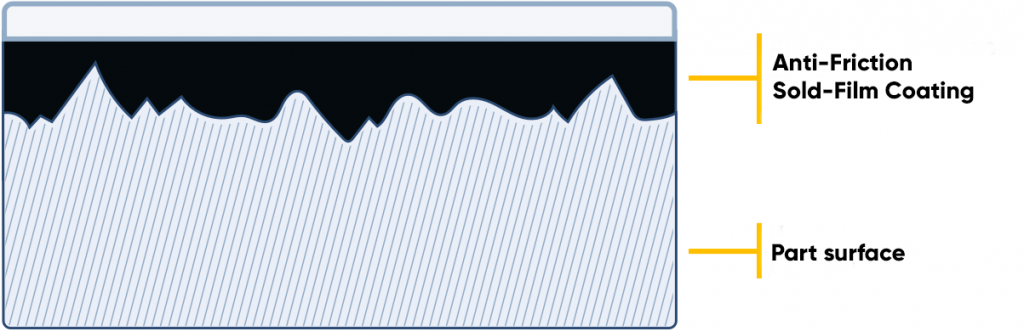
Fig.2. Anti-Friction Solid-Film Coatings structure scheme
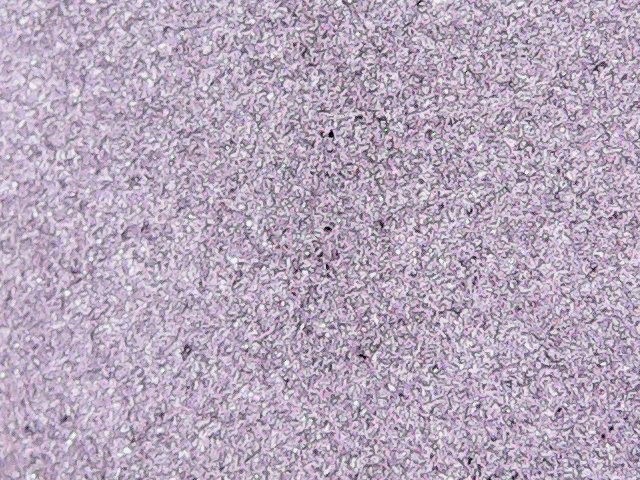
Fig.3. The Anti-Friction Solid-Film Coatings structure photo at 500x magnification
Anti-Friction Solid-Film Coatings selection
The Modengy company, represented by a team of young scientists and practical engineers, having been supported with the investments of the leading lubricant companies, has designed the Anti-Friction Solid-Film Coatings product line to solve the most acute tribological tasks in machine building.
The coatings of more than 16 types whose formulas contain binding resins and solid lubricating materials of various chemical nature are currently available. These components can be combined in various combinations in which their synergetic interaction reveals. The brief coating composition review is presented in Table 1.
Table 1. Typical functional components of MODENGY coatings
| Binding substance | Solid lubricant |
|---|---|
|
Modified epoxy resin Polyamide imide resin Phenol formaldehyde resin Modified styrene resin Polyurethane Acrylic resin Polybutyl titanate Organic silicone resin |
Molybdenum disulfide Polarized graphite Polytetrafluorethylene (PTFE) Tungsten disulfide Boron nitride Calcium and barium fluoride Zinc sulfide |
Application of Anti-Friction Solid-Film Coatings technology enables to create friction units that require no maintenance, and thus, to completely abandon the conventional lubricating materials. The coatings are applied just once, and keep operating for the whole service lifetime of the items providing the surfaces with necessary lubrication and protection.
For the C.K3 locking valve parts, MODENGY 1001 and MODENGY 1004 Anti-Friction Solid-Film Coatings have been selected.
The composition and performances of these coatings are presented in Table 2.
Table 2. Composition and performances of MODENGY 1001 and MODENGY 1004 coatings
| MODENGY coating product | Solid lubricating component | Service temperature range, °С | Load carrying capacity acc. to ASTM D2626, N | Wear resistance acc. to ASTM D2714, thousand cycles | Friction coefficient acc. to ASTM D2714 | Corrosion protection acc. to ISO R 1456 (test in salt mist), hours |
|---|---|---|---|---|---|---|
| 1001 | Molybdenum disulfide, graphite | -180…+450 | 12500 | 400 | 0,03 | - |
| 1004 | Molybdenum disulfide | -200…+430 | 16000 | 50 | 0,03 | 500 |
The liquid coating is applied onto the prepared surface by spraying out. The coating gets dry by touch within 5 minutes, and then this part can be transported without any risk of its protective layer damage. Full coating curing occurs after is has been exposed to a certain temperature for required period. These conditions depend on a certain coating.
MODENGY 1001 is already deservedly popular among the armature engineers due to its high wear resistance, and capability to cure fast at room temperature (within 3 hours). When good corrosion protection is required, it is more reasonable to use MODENGY 1004 which not only fulfills its lubricating function but also provides high level of anti-corrosive properties (see the last but one column in Table 2). This coating cures by heating up to 200 °С, and the following exposure for 30 minutes.
Test results
Fig. 4 presents the photos of the locking valve parts with MODENGY 1004 applied onto their interacting surfaces. The coating layer is of grey-black colour due to content of molybdenum disulfide in its composition which is well-known solid lubricating material of layered crystal structure.
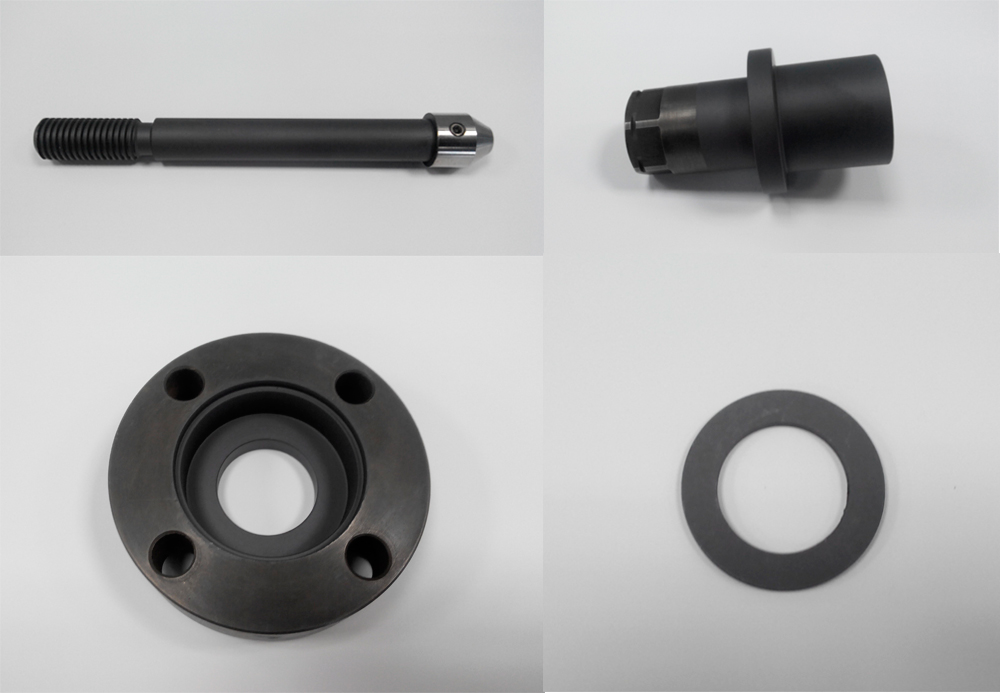
Fig. 4. The locking valve parts covered with MODENGY 1004
Fig. 5 presents the chart showing the opening points, and shutting points of the valve operating on regular grease, and the one covered with our coating. The tests were held at the manufacturing plant. As it obvious from the chart, the point not only reduced by 5 times but also got stable. This is one of the features of the solid lubrication technology: to provide low and stable friction in a wide range of operating conditions.
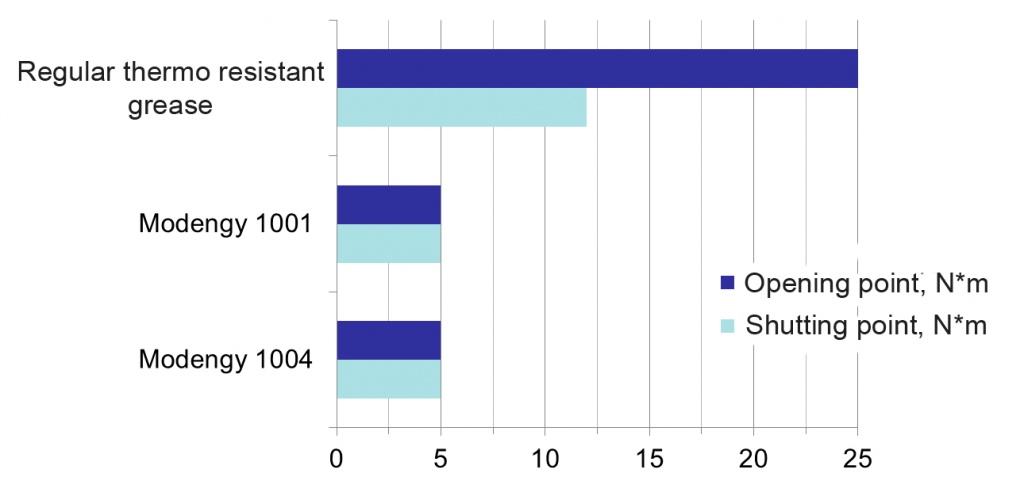
Fig. 5. Points of valve opening and shutting for a valve covered with a regular lubricant, and the one covered with Anti-Friction Solid-Film Coating
Conclusion
The conventional greases often don’t meet the operating requirements for the pipeline valves operating under conditions close to extreme ones. This is where the anti-friction solid lubricating coatings are very helpful as they have the set of all required tribotechnical and protective properties.
Using them enables to manage friction, to extend service life and energy efficiency of the mechanisms. And the experience of Anti-Friction Solid-Film Coatings serial application on the items produced by the Firma SOYUZ-1, CJSC described in this article confirms that.
The solid lubrication technology is easy to implement, and requires no significant investments to develop it, since it implies using standard painting equipment.
For more information and consultation on solving your specific tasks contact the Modengy company, please.