







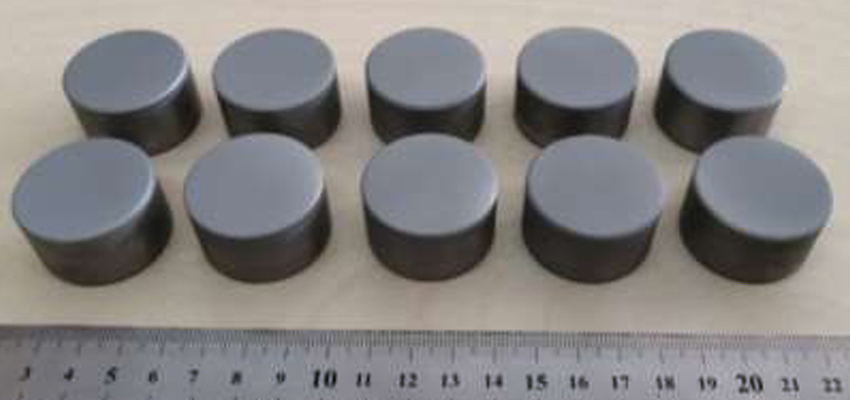
The studies on adhesive strength of the anti-friction coatings from the Russian, and the foreign producers, published in the scientific and technical journal titled The World of Transport, and the Engineering Machines, are presented in this article. A.Yu.Rodichev, A.N.Novikov, M.A.Tokmakova, I.V.Rodicheva. Adhesive Strength of the Anti-Friction Solid-Film Coatings of the Automotive Machinery Units // – Orel: The Orel State University named after I.S.Turgenev. –2022, No.3-1 (78). – P. 3-13.
Introduction
The modern machinery is operated under tough conditions, that’s why the higher requirements are demanded towards reliability, and service lifetime of its units and mechanisms. It especially relates to movable conjunctions of the equipment.
To provide long service life for the connections, it is necessary to reduce friction between the contacting surfaces. For this purpose, at maintaining and repairing automotive machinery anti-friction solid-film coatings are widely use.
In connection with the current foreign-policy and external economic situation, in particular the imposes sanctions, significant increase of share of the domestic materials in use including the coating to reduce friction, is observed in the Russian Federation. According to the experts, this tendency will continue for a long while.
And use of the domestic anti-friction solid-film coatings instead of the foreign analogues that have left the market is a striking example of import substitution in the field of lubricating materials.
In Russia, such coatings are released by only and one company, namely, the Modelling and Engineering. It is situated in Bryansk town.
The MODENGY materials implementing the solid lubrication technology, after a cure cycle, form a thin film on the treated surfaces that minimizes friction coefficient.
One of a number of quality indexes of this lubricating film is degree of its adhesion to a base. That’s why arranting and holding the research oriented to studying and comparing adhesion of the coatings from different producers is quite relevant.
Samples to be studied, and Testing methods
During sliding being subjected to mechanical effect, the solid lubricating substances form a thin anti-friction film on the friction surface and the conjugated surface.
It has low friction coefficient, and effectively separates the rubbing surfaces impeding their damaging.
The solid lubricating substances that are used in the compounds include graphite, molybdenum disulfide, boron nitride, cuprous chloride, tungsten disulfide, yellow lead, sulfureous bismuth, and others.
The most common among them are graphite and molybdenum disulfide.
Due to its structure, graphite splits easily retaining its layer structure in process of friction after its particles size have been changed.
Molybdenum disulfide has lamellar structure. The sulphur atoms in it deposit onto the metal surface what explains surfaces sliding with very low friction coefficient (0.02 to 0.07).
To get the solid lubricating substances integrated into the parts surfaces, and to create solid-film coatings, organic (thermoplastic and thermosetting resins), and non-organic (sodium silicate, phosphates, borates) binding components are added to the solid lubricating substances powders. Solvents such as alcohol, water, toluene, and others are also present in composition of these materials.
The studies carried out before demonstrate that too thin (up to 5 µm) coating layers as well as too thick ones (more than > 30 µm) are non-effective.
The former ones are subjected to fast wearing, the latter ones are to peeling off as a consequence of insufficient adhesion.
Service lifetime of the solid-film coatings on the parts surface also depends on the following:
- Chosen method and quality of surface preparation prior applying the coating
- Surface temperature
- Part construction material nature
- Methods of applying the coatings
Quality surface preparation is one of the most important requirements to provide long service lifetime of the coating. It consists of several operations such as micro-sandblast treatment, or etching to remove contaminations, and to give the surface the required surface microgeometry, phosphating to improve coating strength, and to protect the parts against atmospheric corrosion.;
Theory Part
At selecting anti-friction coating, it is very important to take into account its adhesion as this parameter directly affects material operability, state of the unit at maintaining, or repair works.
For the purpose of comparing adhesion of the coatings of Russian and foreign production, the materials from MODENGY and Molykote producers were chosen.
Testing was held by the method of determining adhesion strength by standard tearing-off, according to GOST 27890-88 standard.
Prior testing these materials were divided into two groups: the first ones require heating to get polymerized, the second cure at room temperature.
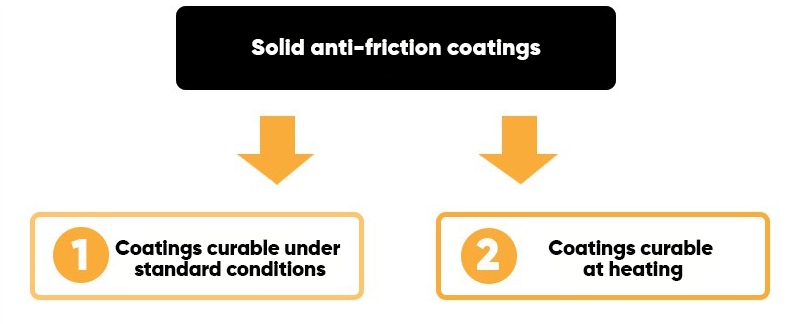
Fig.1. The anti-friction coatings groups to be tested
Non-thermo-curable coatings from the first group such as MODENGY 1003, Molykote 3402-C LF, Molykote PTFE-N UV, and Molykote D-321R were applied by different ways. First two samples were sprayed out of a spray gun, the rest ones – out of an aerosol can.
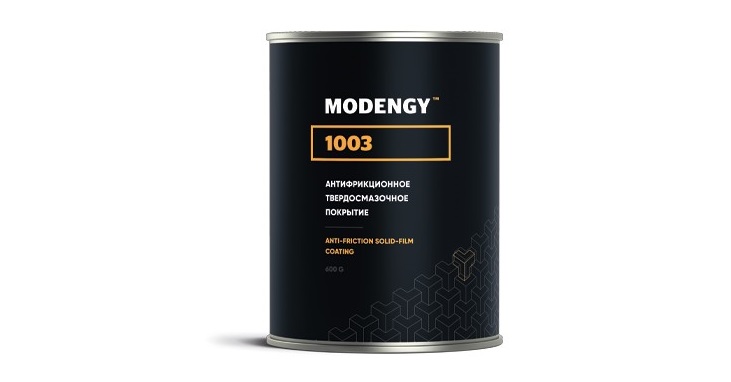
Fig 2. MODENGY coating from the first group of the solid anti-friction coatings
The coatings from the second group (MODENGY 1005, MODENGY 1006,
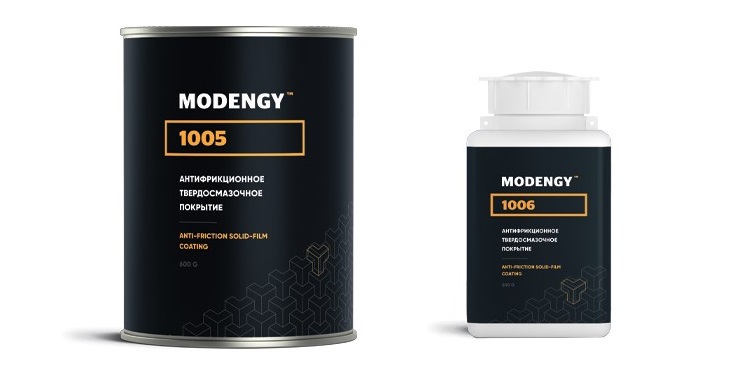
Fig. 3. MODENGY coating from the second group of the solid anti-friction coatings
The stages of preparing the samples to be tested are the following:
- Making samples to be tested of St-3 steel according to GOST 380-2005. For each coating brand, 5 samples were made.
- Preparing work surface of the samples by method of sandblasting treatment by 1К103025 silica sand (of 0.1 to 0.25mm fraction size) according to ГОСТ 2138-9
- Blowing by compressed air (air pressure – 0.2 to 0.5 MPa at consumption 1.5 to 3 m3/min; air jet inclination angle to the surface - 60° to 90°; treatment distance - 100 to 150 mm)
- Degreasing the parts followed by solvent evaporation during 15 minutes
- Applying three layers of anti-friction coating onto each sample, one layer thickness makes 4 to 5 microns. Interval between layer applications is 15 minutes at +20 °С, the last layer was kept under the same condition for at least 120 minutes
- Polymerizing the coatings according to process instructions
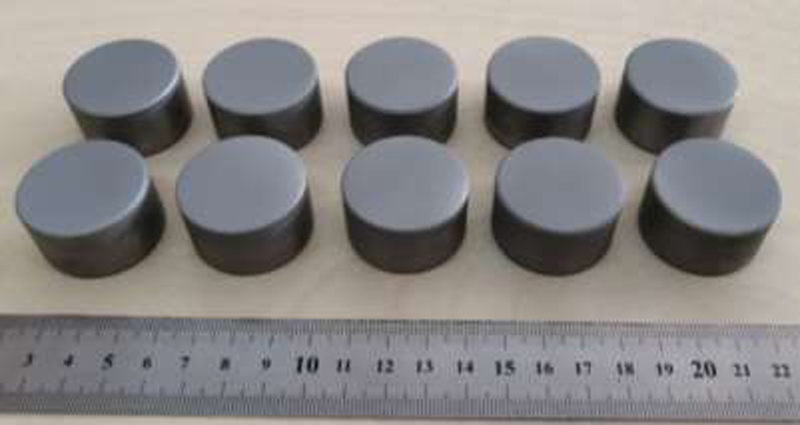
Fig.4. The samples with applied anti-friction coating
After polymerization, all applied layers turn into united up to 15 microns thickness coating.
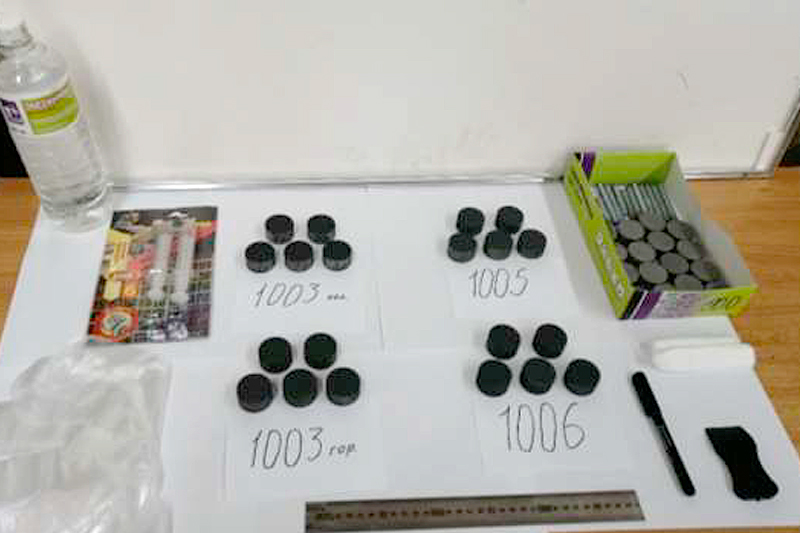
Fig.5. The samples, devices, and tools to realize the experiment
After final coating polymerization, a glue agent was applied onto the samples by a thin layer until full wetting the surface.
Two samples with the glue were superposed, and then sent to the apparatus for bonding for 72 hours.
After bonding, glue on the end areas of the parts was cleaned out, stud pins were screwed into the samples to be installed into the tearing machine.
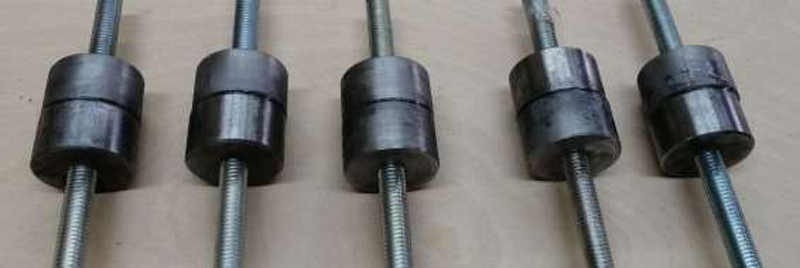
Fig.6. The samples to be tested in the ИР5047-50 tearing machine
Samples testing was carried out by using a general-purpose tearing machine with the ИР5047-50 electronic force measure device.
Testing conditions were characterized as standard: tests were performed at +20 °С, and 70 % relative air humidity.
Loading the samples was carried out by smooth building-up tearing effort. The tearing machine claws were moving on less than 5 mm/min rate.
Results and Discussion
The whole process of loading the samples till complete destruction was recorded by using a special software. The test record sheet was formed according to the results.
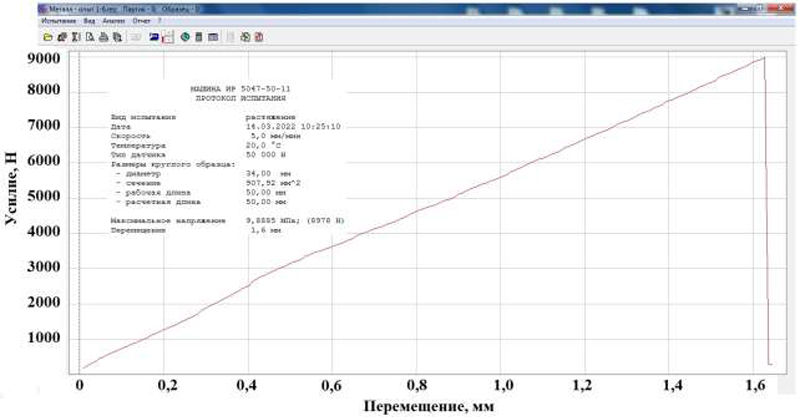
Fig.8. The test record sheet
The experimental data gained were processed by the experimental studies mathematical processing methods.
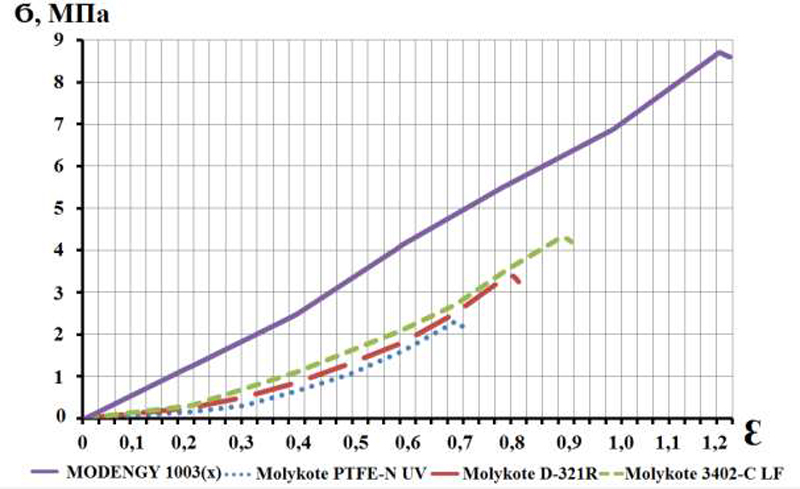
Fig.9. The first group samples test results
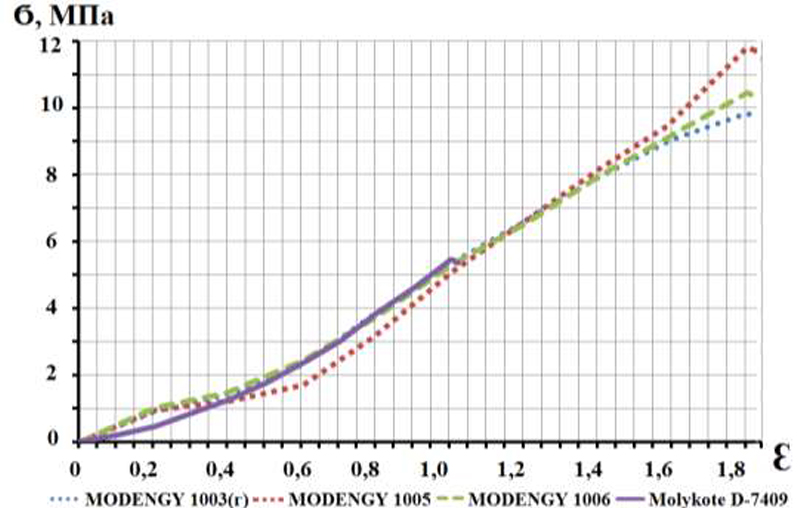
Fig.10. The second group samples test results
Conclusions
- The most advisable method of quantity assessment of anti-friction coating adhesion is the standard tearing-off method according to GOST 27890-88
- MODENGY brand coatings have the best adhesive strength both within the non-thermo-curable coatings group, and among the materials curing at heating
- For the car friction units under condition of motor transport companies, thermo-curing anti-friction coatings are recommended to be used
- In the field conditions, it is the best advisable to apply the coatings cured at room temperature of the vehicle parts