







Introduction
Anti-friction solid-film coatings from the Russian Modengy company are intended to reduce friction, wear, to protect against corrosion the parts of the equipment in various industries spheres. These coatings have also found wide application in the metallurgy industry to extend service lifetime of the equipment to cast metals and alloys, for cold forming, and metal reduction, to improve productivity of the processes of collecting waste out from a galvanizing bath, to mount and setup the crushing equipment at mines, and to fulfill other tasks.
Main part
About the solid lubrication technology and MODENGY products that realize it. As technologies keep developing, and necessity to operate equipment units under extreme conditions arises, it has become not enough to use widely known greases and liquid lubricating materials only to provide stable operating of the mechanisms.
As a result, the materials that realize the solid lubrication technology started gaining popularity. They are represented in a form of powders of the substances with a laminated crystal structure (molybdenum disulfide, graphite), some polymers (polytetrafluorethylene), as well as soft metals.
In process of friction, the powders of the solid-film substances applied onto the mating parts fill in the surface microroughnesses forming a thin smooth film with low resistance to shear, and high load-carrying capacity. Due to this, low friction coefficient, protection against scuffing, extension of the service lifetime under extreme operational modes are provided.
Use of the solid lubricants powders in not enough under modern conditions, that is why anti-friction coatings were designed that integrate solid-lubricating components into the parts surface. In Russia, the only one designer and producer of such coatings is the Modengy enterprise, Bryansk town.
The anti-friction solid-film coatings releasing under MODENGY trade mark (Certificate for the trade mark No.688082) (see Figure 1) contain in their composition finely dispersed particles of solid lubricating substances, binding components, solvents, and functional additives.
This coating is a suspension that after being applied onto a prepared surface of a part by spraying-out method, and getting cured according to the instructions (in a kiln or at room temperature) forms a thin lubricating layer on the surface strongly cohered with it..
This composite layer is a matrix of a binder with the solid-lubricating substances particles distributed all over its cells. A solvent evaporates out of the coating composition in process of curing.
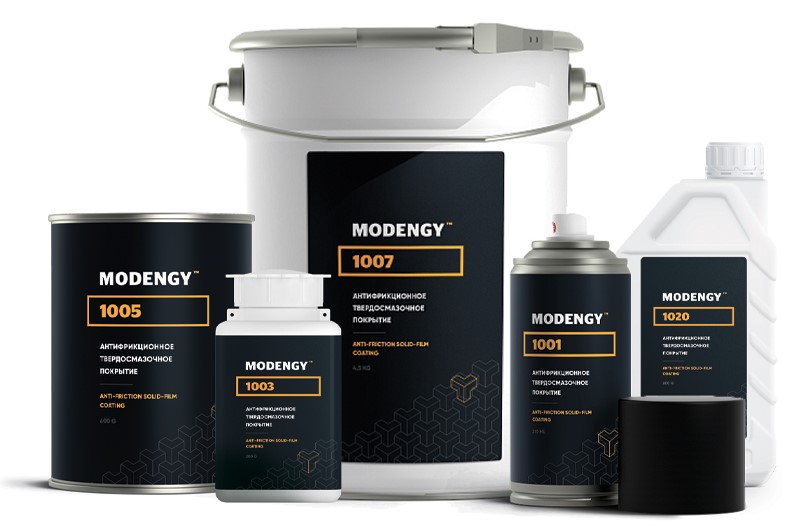
Figure 1 – MODENGY anti-friction solid-film coatings
Use of the anti-friction solid-film coatings enables to completely refuse from the liquid lubricating materials and greases. By using them, the friction units the require no maintenance are created: these agents are applied just once, and keep functioning for the entire service term of the items providing required lubrication and protection of the surfaces.
MODENGY anti-friction solid-film coatings are efficient under extreme operational conditions that is at high contact pressures, high or cryogenic temperatures, low rates of movement, exposure to chemically aggressive and corrosion-active media, radiation, in vacuum. In some cases, use of these materials enables to refuse from expensive steels and alloys. A number of MODENGY coatings have high anti-adhesive properties.
One more kind of the materials realizing the solid lubrication technology is pastes. They are powders of solid-lubricating substances distributed in a base oil to improve adhesion, and to make applying more convenient.
MODENGY coatings and solid-lubricating pastes are widely spread in all industries including metallurgy.
Examples of using anti-friction solid-film coatings in metallurgy industry
MODENGY anti-friction solid-film coatings and pastes of various kinds have found wide application in the equipment of the metallurgy complex. They fulfill the tasks on reducing friction, protecting against forming scuffing and galling, preventing particles of metal from sticking onto the surfaces of production tooling, and others.
Dippers of the robotic system for collecting hard zinc. The enterprises whose work is related to hot-dip galvanizing technology face the necessity to collect production waste of such type is hard zinc or dross. The sedimentary by-product while being in the galvanizing bath makes quality of the created zinc coating worse. Besides, it contains up to 95 percent of zinc in its composition and can be recycled repeatedly.
To collect hard zinc, the robotized complexes that enable to automize the labor-consuming process of removing dross off the melted zinc surface are used most of all.
The operating tools of the robotic complexes by using which catching and taking the hard zinc out is done are metal dippers. Dross sticks to their surfaces breaking the engineering process.
To solve this issue, and to increase productivity of operation, MODENGY 1054 high-temperature anti-adhesive coating is applied onto entire surface of the dippers for waste collecting in the galvanizing bath (see Figure 2).
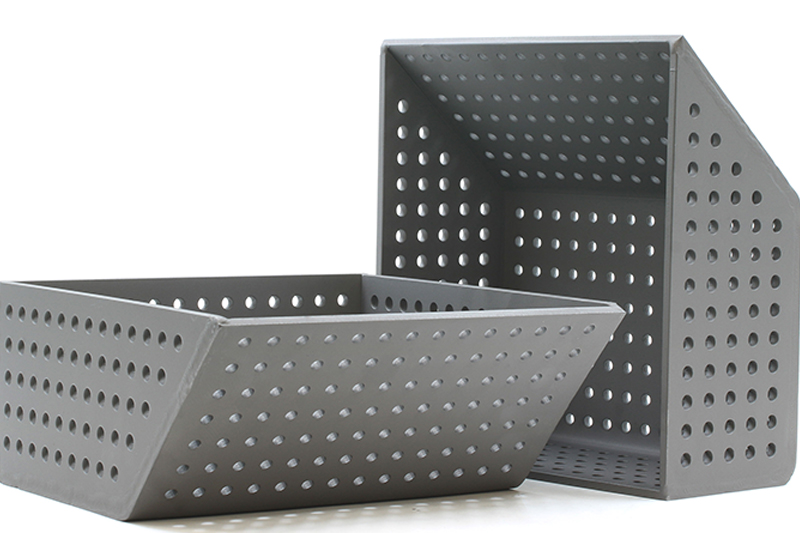
Figure 2 – Dippers of the robotic system to collect hard zinc treated with MODENGY 1054 coating
This product forms a steady separating layer on the parts that prohibit the residual products to stick on the surface of the dipper. This coating effectively operates under conditions of melted drops falling, gas-pollution of the air, and high temperatures up to +650 °С.
Moulds to cast metals and alloys. One of the most spread ways to give the metals a certain shape is casting them. For this purpose, both disposable and reusable metal containers repeating the outline of the future item are used. At mass production of the goods, it is reasonable to use metal forms preferably made of steel.
In process of casting, metals and alloy are sticking to the internal surface of the reusable moulds what makes taking the moulded parts out harder, and their quality decreases. After taking the cooled metal elements out, some amount of metal remains on the mould sides, and they are hard to remove.
In order to prevent sticking, MODENGY coatings having high heat resistance and great anti-adhesive properties - MODENGY 1007 and MODENGY 1054 - are used (see Figure 3).
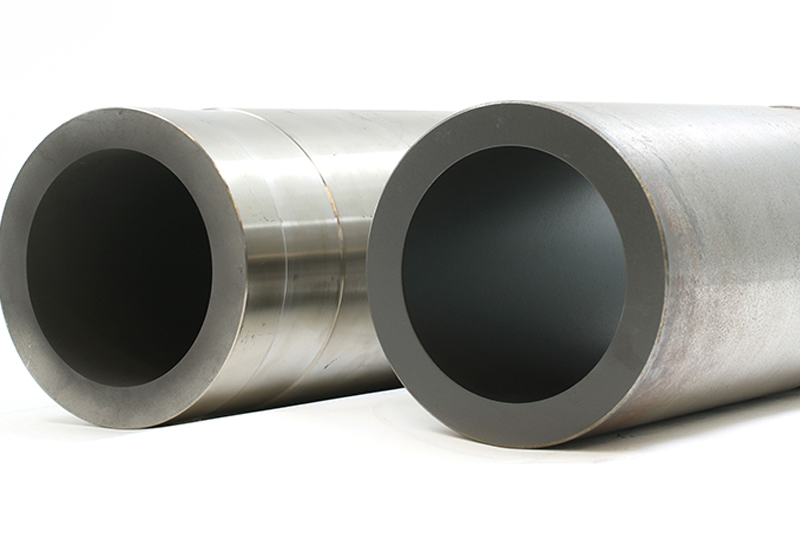
Figure 3 – Moulds to cast metals and alloys treated with MODENGY coatings
The steady separating layer of the coatings inhibits direct contact between melted metal and a mould surface, due to what taking the finished items out gets easier, and high quality of their surfaces are provided, service lifetime of the equipment extends.
Equipment for metals cold forming. Cold forming is metal deformation under pressure. It is done by using special equipment - mould tools. To direct movement of the press slab, columns and bushings are used. In process of forming, guideway parts are subjected to very high friction, and get worn soon. While operating in an aggressive medium, corrosion forms on the elements.
In order to extend service lifetime of the equipment, MODENGY 1005 anti-friction solid-film coating based on molybdenum disulfide is used on the columns and bushings (see Figure 4). It creates a smooth layer providing sliding, and reducing friction of the movable parts.
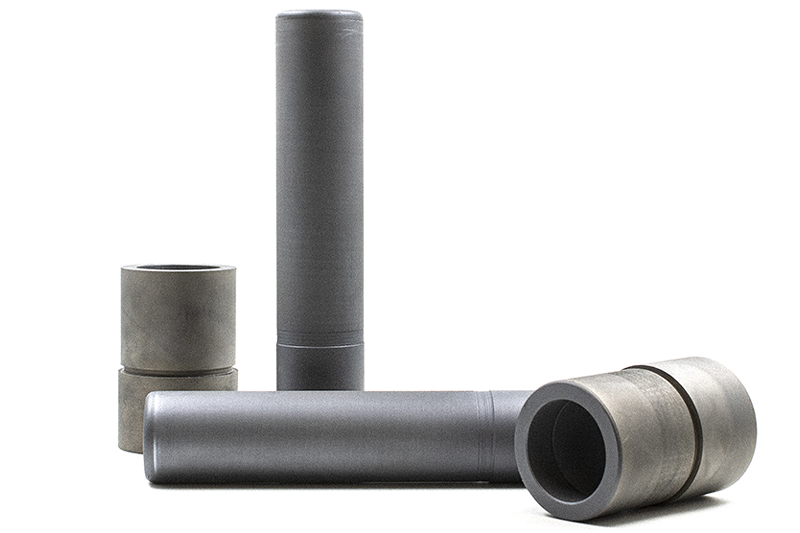
Figure 4 – Columns and bushings treated with MODENGY 1005 coating
This product has great anti-scoring and anti-corrosive properties (more than 720 hours of corrosion protection, according to the results of accelerated testing in salt mist on ISO 9227 standard), high load-carrying capacity (2,500 MPa), and good adhesion to metal.
The coating polymerizes at heating. After getting cured, a steady dry layer forms on the surface of the bushings and columns that doesn’t shift off the area where it had been applied on, and needs no renewing during a long while. Due to use of MODENGY 1005, wear of the equipment for cold forming reduces significantly, even after multiple operation cycles.
MODENGY 1020 coating based on synthetic wax is also used for cold forming of austenitic and ferritic steels, aluminium and its alloys, copper, and brass, in the engineering processes of deep drawing, chasing, branding, bending, cold extrusion of aluminium and other metals.
This separating coating has demonstrated the best results in process of tribological tests for detecting coefficients of static friction and of sliding friction (see Figure 5), anti-wearing and anti-scuffing properties. MODENGY 1020 has exceeded the foreign analogue taking part in the tests that was recommended to apply in process of working metals on all criteria.
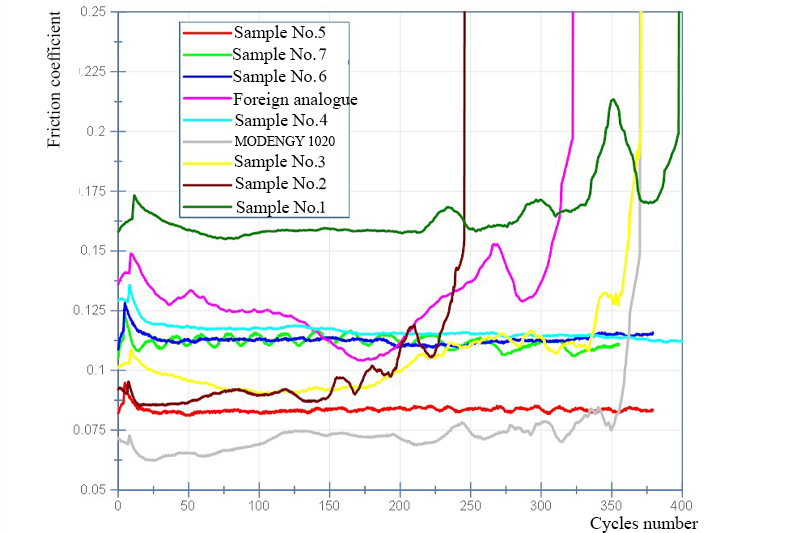
Figure 5 – Graphs of friction coefficient changing depending on the cycles number of the sphere indentor’s going along the lubricated surface
Equipment for metal reduction. In process of metal cold deformation, use of MODENGY 1001 anti-friction solid-film coating based on molybdenum disulfide and graphite is effective. It prevents forming scores and roughness on the reduced surface of the parts.
The coating is applied by the method of spraying out of an aerosol can or spraying gun onto metal workpieces cross-section of which is required to reduce.
A thin lubricating layer that forms on a part surface prevents workpiece from damaging in process of its deforming on the machine tool. As practice confirms, state of the reduced parts provided MODENGY 1001 anti-friction solid-film coating was applied is satisfactory, that means the surfaces are smooth, without any scores.
Gyratory crushers. MODENGY 1003 anti-friction solid-film coating based on molybdenum disulfide and graphite is used to make mounting and setting the gyratory crushers at the large minerals deposits – such as copper-and-molybdenum ores, precious metals – easier (see Figure 6).
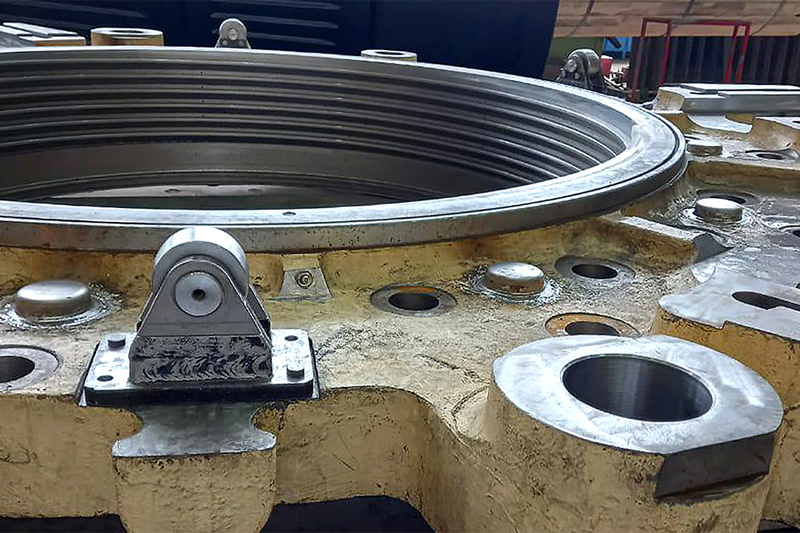
Figure 6 – Buttress thread of the gyratory crusher treated with MODENGY 1003
This product is applied onto the buttress thread of the parts by means of which the construction parts are connected with each other.
In process of mounting of the gyratory crushers, their threaded elements are subjected to extremely high loads at very low rate of the parts moving along each other. At assembling the gyratory crushers under such conditions, a lot of score and galling appear on the thread turns, the parts jam, and it makes mounting them harder.
According to the results of the tests held by the producer of the gyratory crushers, to provide easy assembly with complete exclusion of damaging the contacting surfaces of the threaded parts of the component is possible only provided the solid-film coating is used. The greases are not able to provide a separating film operable under conditions of high loads at low sliding because a great deal of galling forms on the parts in process.
Due to its high load-carrying capacity, anti-scuffing properties, dry texture, MODENGY 1003 coating provides regular assembling of the gyratory crushers. The layer of the coating is not squeeze out of the contact zone, attracts no dust and other small particles (doesn’t stimulate abrasive wear).
Applying anti-friction solid-film coating onto the parts of the gyratory crushers is done under field conditions – at the territory of the enterprise on extracting minerals, directly before the mounting works start (see Figure 7). MODENGY 1003 requires no heating to polymerize, and is ready to be used 12 hours later after applying it.
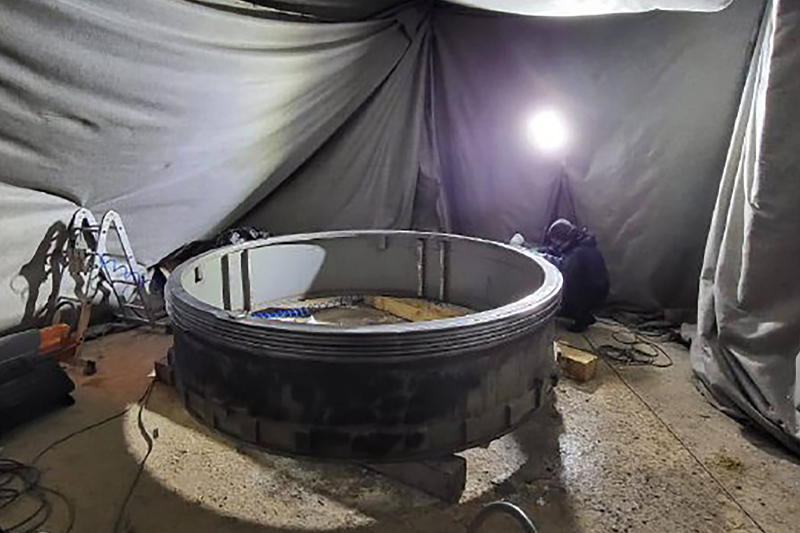
Figure 7 – Applying MODENGY 1003 coating onto the gyratory crushers thread
Rolling cages. MODENGY 1001 is applied onto the bronze bushings of the rolling cages as a separating coating to prevent coherence between their surfaces and the cast-iron rolling washers and the shafts made of heavily alloyed steel alloy exposed to high pressure.
Use of this coating enables to provide stability of the pressing and unpressing processes of the rolling washers off the working shafts without sticking, to extend service lifetime of the parts.
Straightening-cutting machines. Bearing units of the straightening-cutting machines as well as chain gears of lifters gets prematurely worn because of high friction. To provide stable operating, and to extend service lifetime of the parts, MODENGY 4002 solid-film paste based on molybdenum disulfide in used (see Figure 8).
Practicability of using this product to reduce friction has been proved by the results of testing on the engineering equipment of the hot-dip galvanizing shop. The tests were held at the load meeting the conditions of operating this equipment. Temperature at bearing unit operating was within the range between +55 °С and +68 °С. This paste was testing for its anti-friction and anti-scuffing properties, fluidity at exposure to increased temperatures.
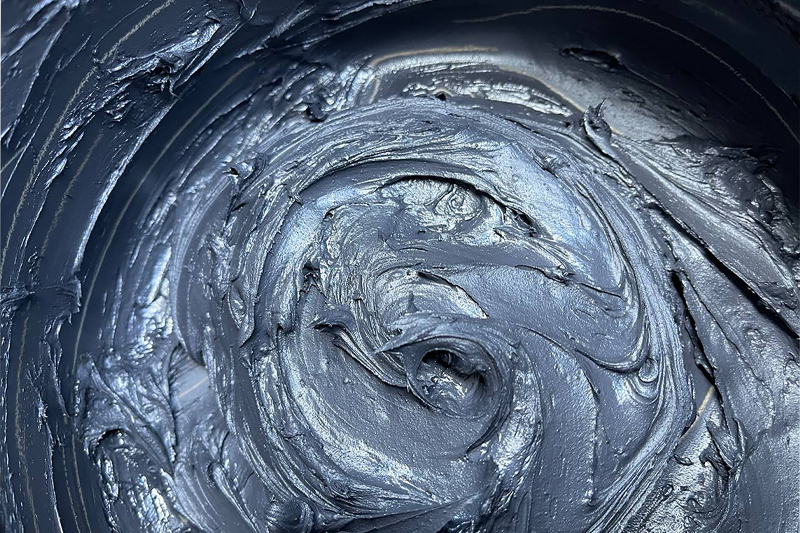
Figure 8 - MODENGY 4002 solid-film paste
After this paste has successfully passed the pointed tests, it was made a decision concerning using it at the equipment of the metallurgy enterprise.
Conclusion
Use of MODENGY anti-friction solid-film products provides the surfaces with the unique set of tribological and protective properties, what enables to effectively control friction, to extend service lifetime and operation efficiency of the metallurgy enterprises equipment.