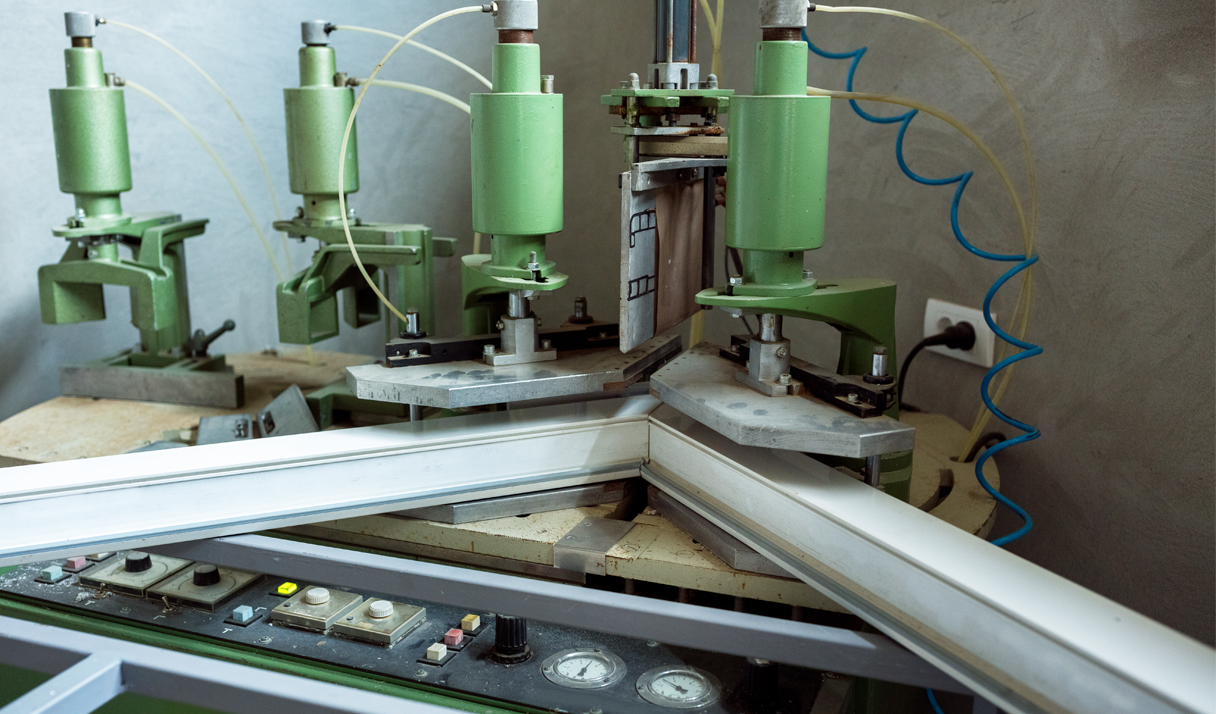
Jointing the window profiles parts or door structures is fulfilled by various methods including by using retainers, ultrasound, laser, chemical substances, and others. The most effective way is thermo-welding of the PVC-profiles.
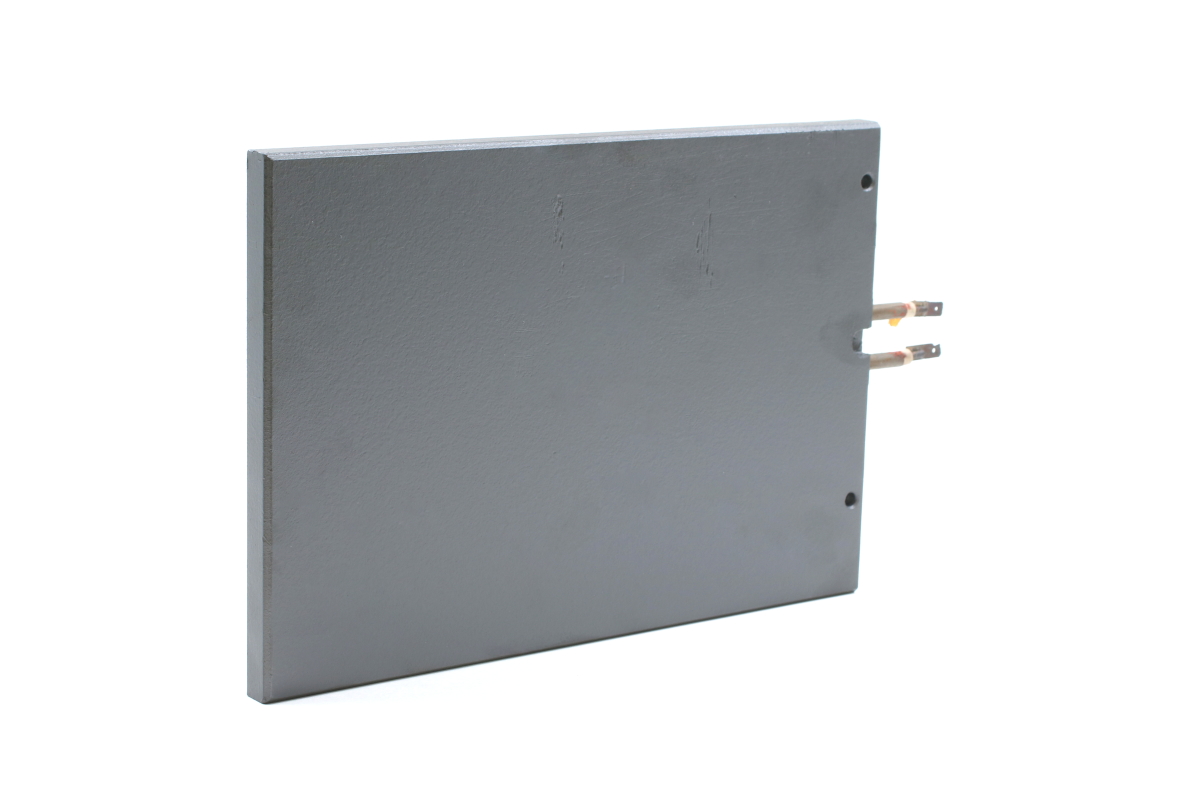
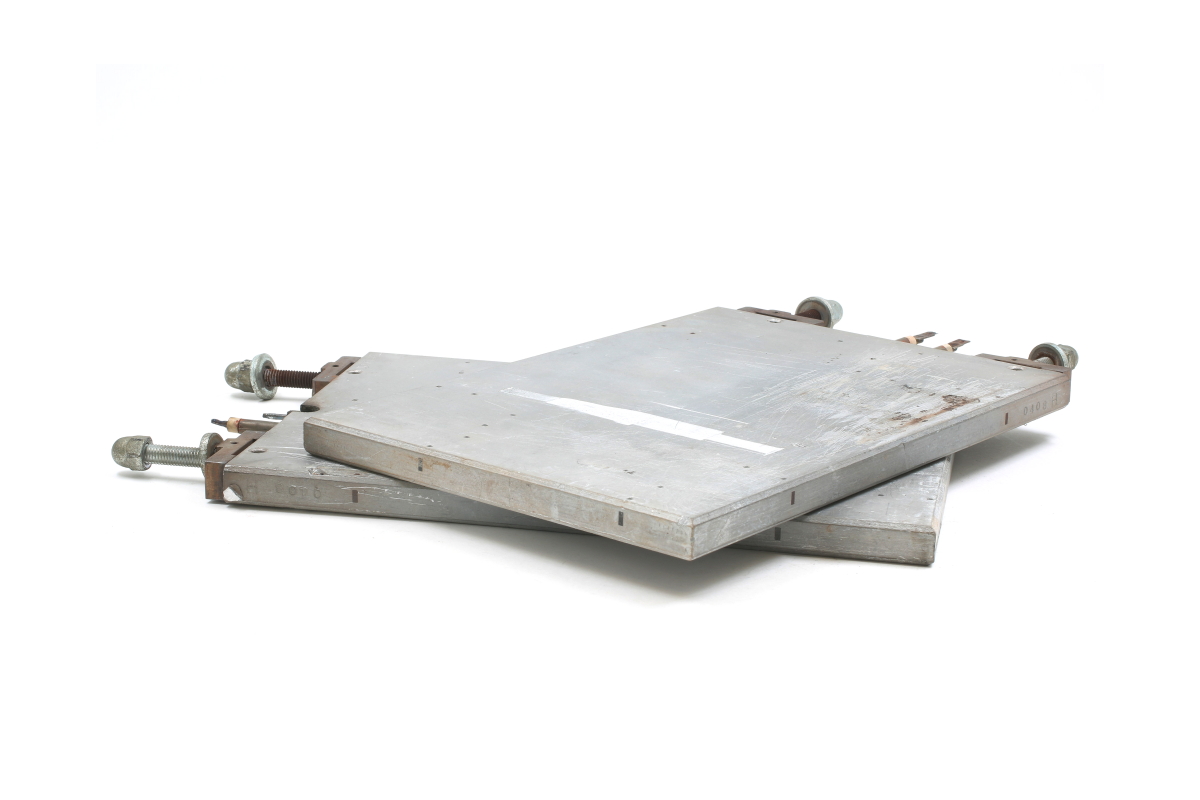
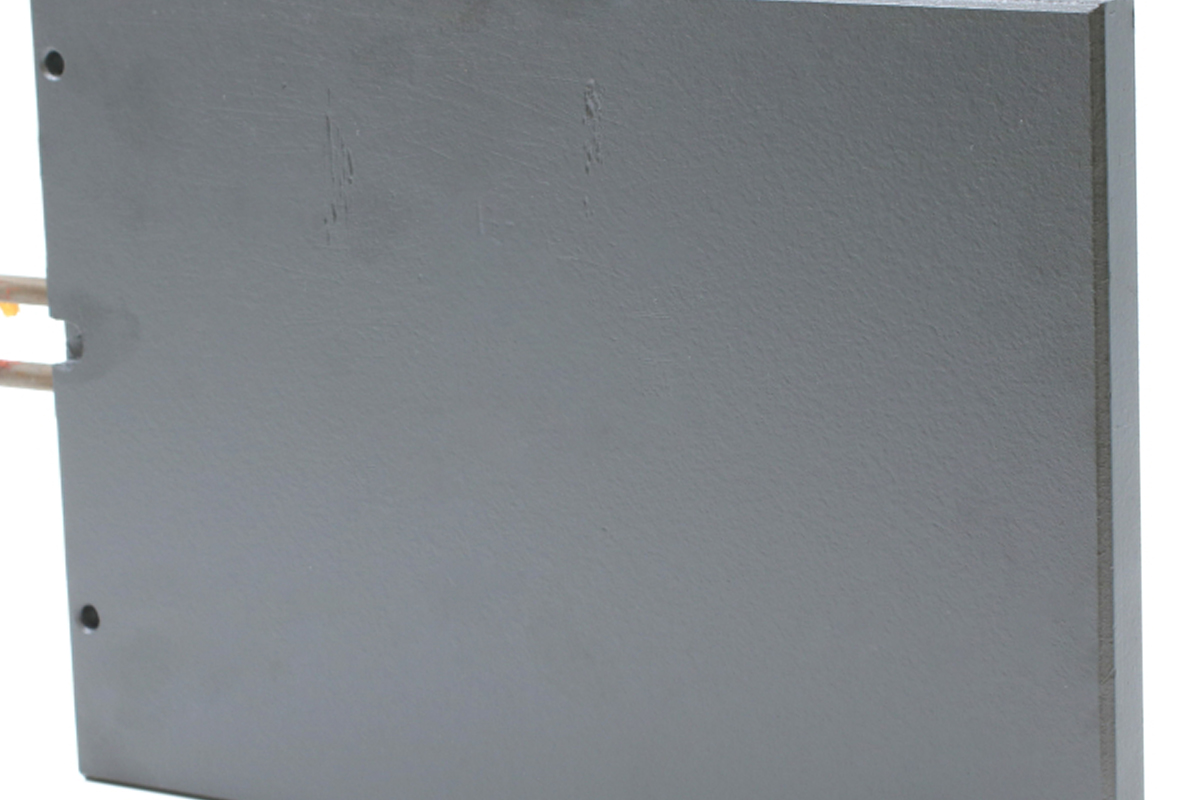
As a result of using the welding unit with the heating parts – the end-soldering elements – a strong seam is gained which is resistant towards the external exposures.
Welding the profiles is performed on the automated equipment. It includes several stages such as items laying and positioning, heating up the tools, welding the profiles, and letting them cool down.
The heating tool of the welding unit is put between two parts heating up the polymer material. As soon as PVC is melted, the end-soldering element is retrieved, and the profile elements are getting connected together.
To prevent melted polymer sticking to the metal surface of the end-solderer, Teflon bands are used. They perform as a barrier between two surfaces.
The melted PVC temperature is up to +250 °С, while the upper temperature limit of the Teflon bands functioning makes +260 °С. After relatively short time operating, and in case of overheating, such separating material gets damaged, and burns out.
More effective and durable solution is to apply MODENGY 1007 anti-adhesive coating onto the surface of the end-soldering elements. It creates a resistant anti-sticking layer of the elements operable at up to +350 °С.
This product is applied on the preliminary prepared surface of the parts by the standard painting methods, and gets polymerized in the kiln. It has no need in refreshing it for the entire operational period of the welding devices, and effectively solves the issue of polyvinylchloride sticking to the equipment surface.