







Application actuality, and development stages of solid lubrication technology
At the presents, development and continuous improving of the machine friction units are directly related to toughening of their operating conditions.
The dimensions are getting smaller while contact pressures are getting higher accordingly, parts relative movement rates grow, service temperature range gets wider in direction of cryogenic temperatures, or in the contrary in direction of the extremely high ones.
At the same time, the engineers strive to create machines that require no maintenance. That’s why more and more often using liquid lubricating materials and greases is not enough already at creating friction units.
Need in solid lubricating materials (SLMs) arises, and typical representatives of them are molybdenum disulfide, tungsten, graphite, polytetrafluorethylene, boron nitride, some metals oxides. They are able to operate within much wider conditions range, especially when temperatures, and contact pressures are in question.
The next development stage of using solid lubricating materials are various ways of integrating them into the friction surface. One of such ways is anti-friction solid-film coatings (AFSFCs). They are a thin (15 to 20 µm) composite layer of binder's matrix with highly dispersed particles of SLMS restrained in its cells.
The Modengy company (Bryansk town, Russia) has designed a series of the compounds (more than 16 items) to form such coatings, and release them under MODENGY trademark. These coatings are used in mass in the pipeline fittings friction units, on internal combustion engine pistons, on threaded connections of well casing, and pump-and-compressor pipes, in pneumonic cylinders, slide bearings of construction machinery.
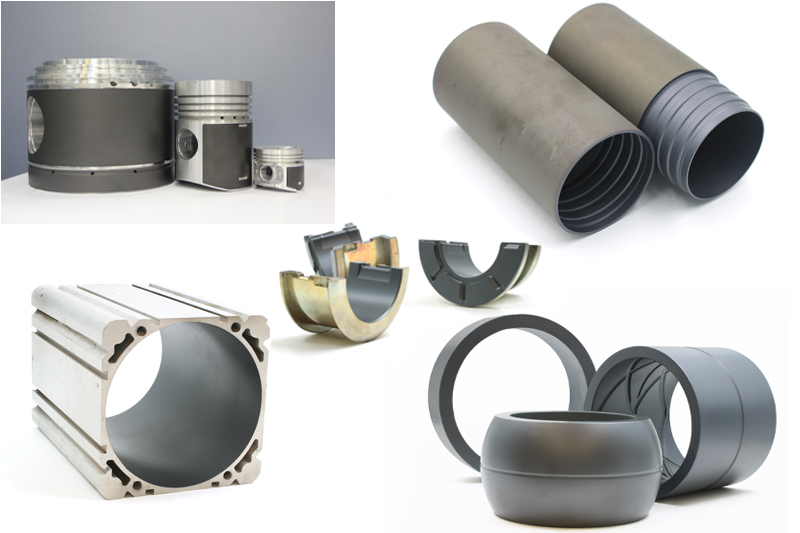
Fig. 1. Examples of using MODENGY coatings
Laboratory tests of lubricating materials in metal-to-polymer friction pair
Using AFSFCs in metal-to-polymer pairs is of practical interest. Initiated by several domestic manufacturing plants producing spherical joints for car vehicles, the researches of the AFSFCs efficiency in the 40X steel-to-polyoxymethylene (POM) friction pair were held at the Modengy’s Engineering Center. The bushings of the joints that operate in a pair with a metal spherical pin are made of POM.
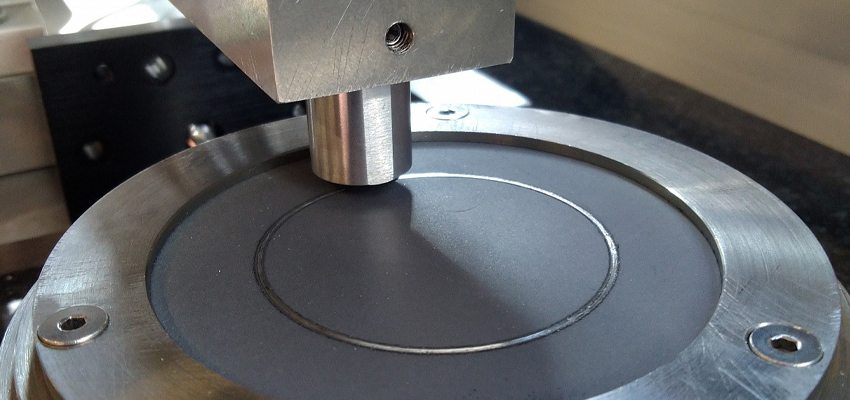
The laboratory tests were held according to ASTM G99 standard on the ‘sphere-to-flat’ scheme on the special tribometer.
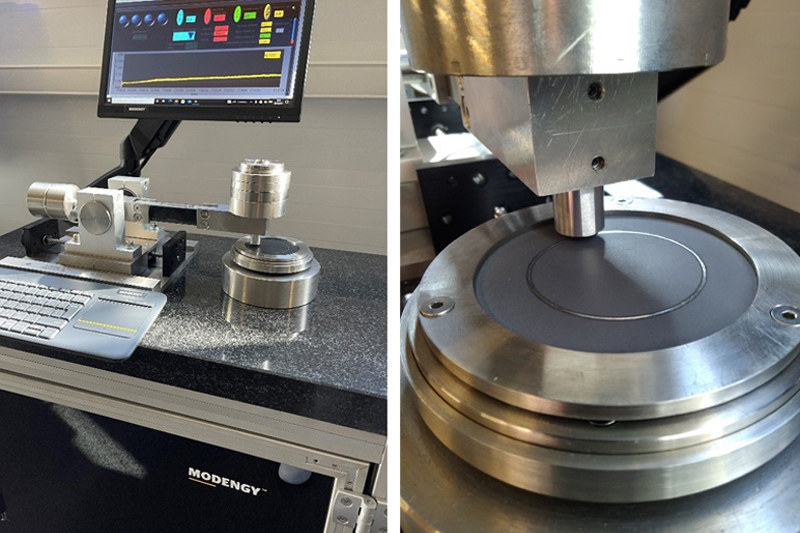
Fig. 2. Friction machine
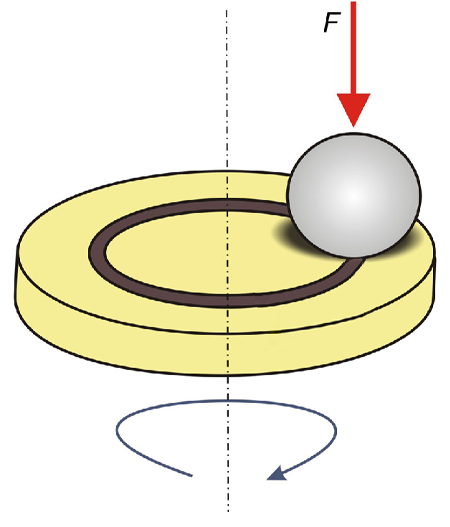
Fig. 3. Friction scheme at testings
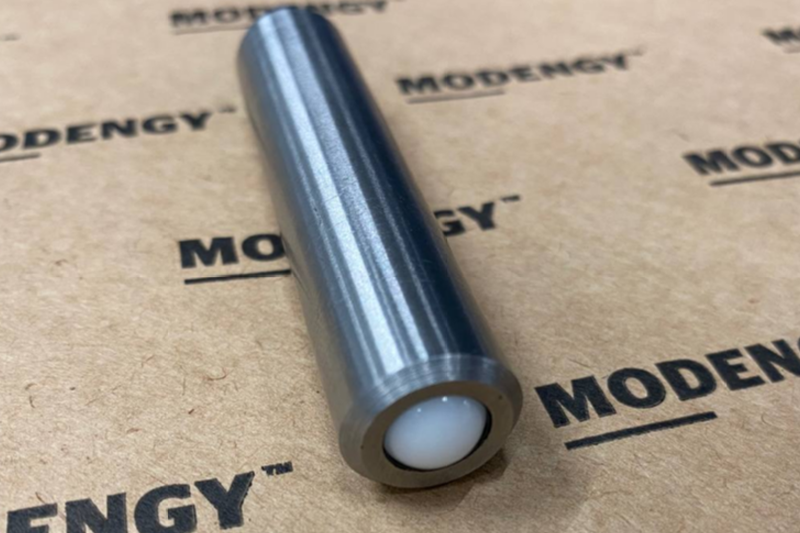
Fig. 4. Holder with a spherical counterbody made of POM
AFSFCs tests
MODENGY 1014, MODENGY 1009, MODENGY 1066, and MODENGY PTFE - A20 coatings were applied onto the samples in a form of steel disks.
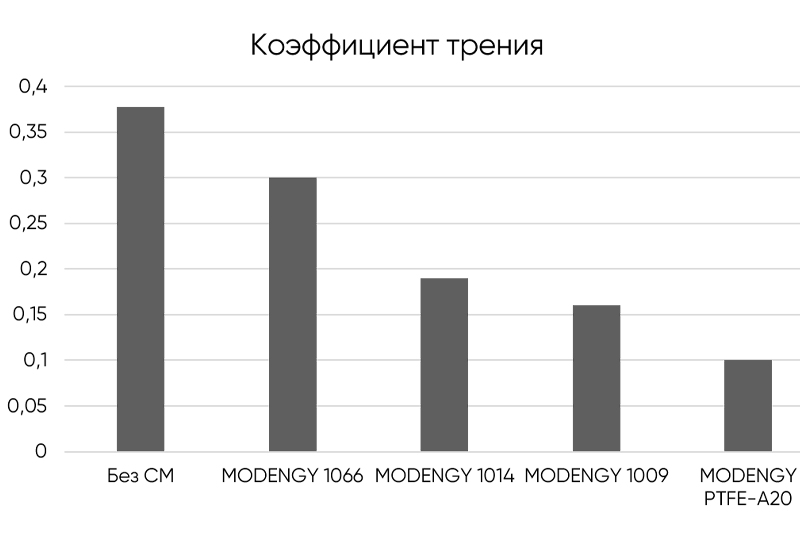
Fig. 5. The graph of comparing the samples with AFSFCs applied on them, and the sample without any lubricant. Friction coefficient
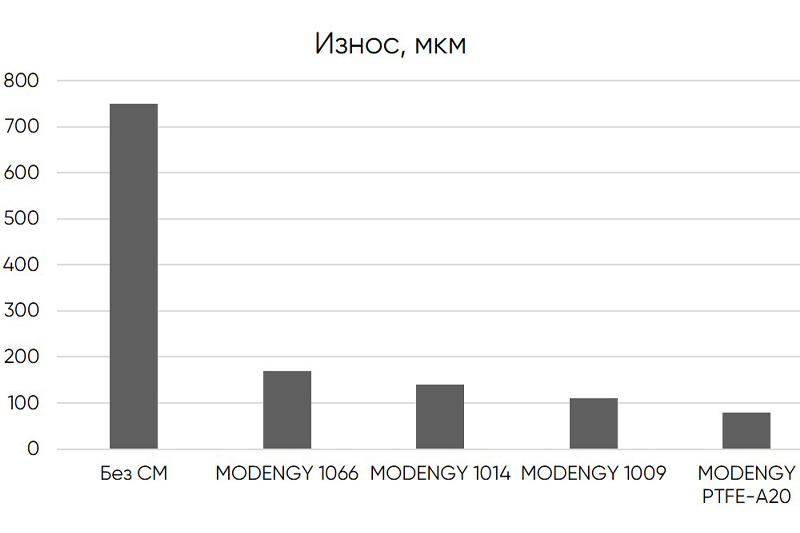
Fig. 6. The graph of comparing the samples with AFSFCs applied on them, and the sample without any lubricant. Wear, µm
Greases tests
A number of experiments with greases from different producers, that are recommended, and are conventionally used to lubricate spherical joints, was also held under identical conditions.
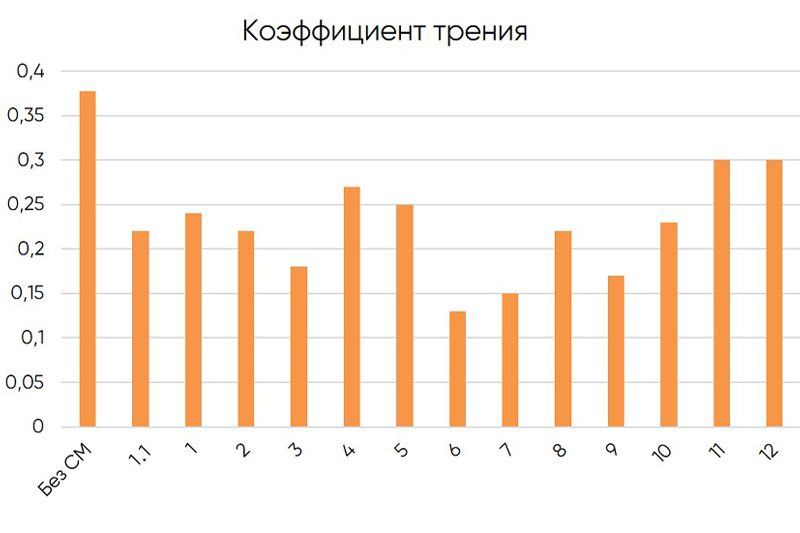
Fig. 7. Comparing the samples with greases applied onto them. Friction coefficient
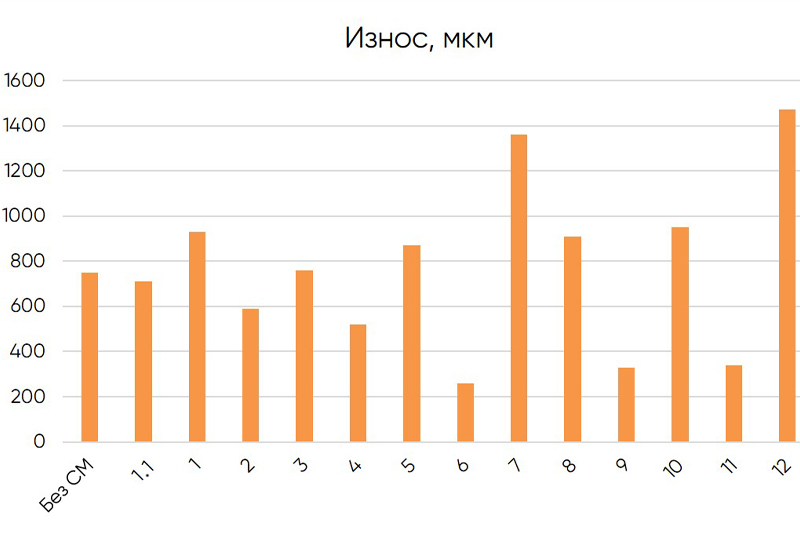
Fig. 8. Comparing the samples with greases applied onto them. Wear, µm
According to the held tests results, it was determined that using AFSFCs instead of a standard grease that had demonstrated the best results among the conventional lubricating materials (see Sample 1.1), enables to reduce friction coefficient down to 2.2 time, and to reduce wear down to 8.9 times.
AFSFCs and greases combinations tests
As a part of concluding stage of the laboratory tests, different combinations of the AFSFCs and greases were applied onto the steel disks to research efficiency of interaction between the lubricating materials various types.
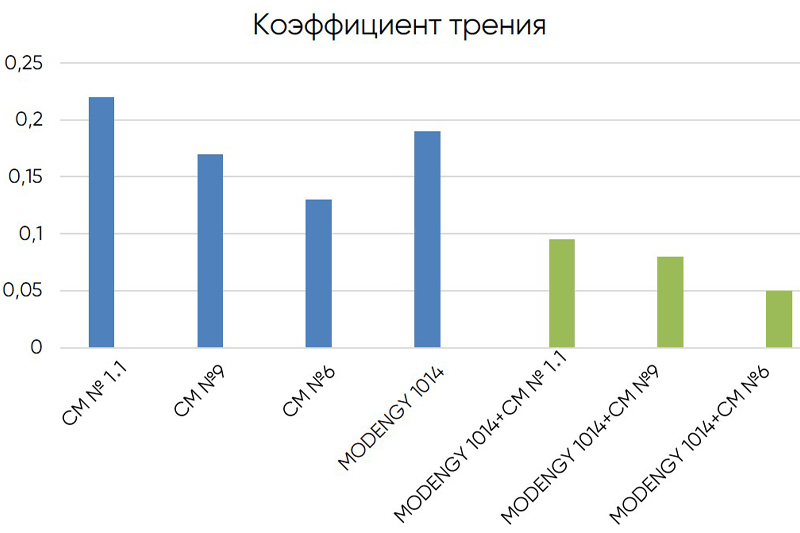
Fig. 9. Comparing of some AFSFC + grease combinations. Friction coefficient
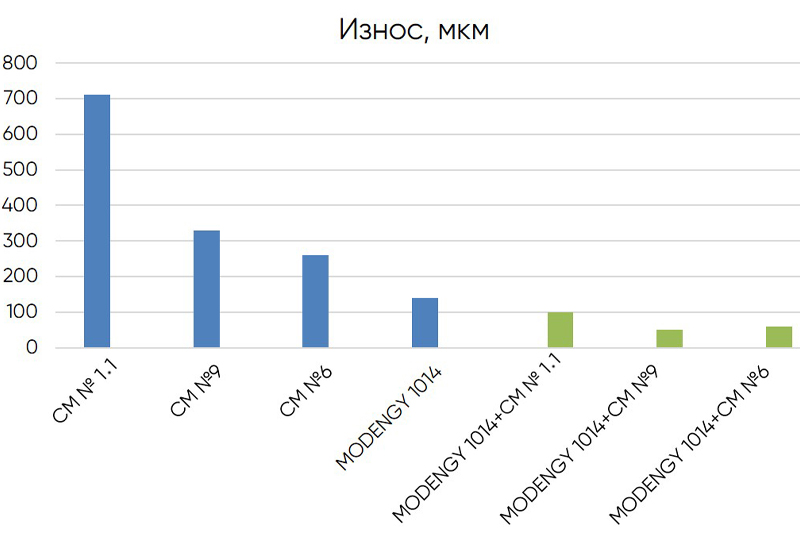
Fig. 10. Comparing of some AFSFC + grease combinations. Wear, µm
As a part of this stage, they succeeded to determine that certain greases and coatings operate better in pair than while being used separately.
Tests results of metal-to-polymer pair
Using AFSFCs enables to reduce wear of the counterbody by 4.4 to 9.4 times, and friction coefficient reduces by 1.3 to 3.8 times depending on the coating name.
Using greases enables both to reduce wear down to 2,3 times, and also can cause its grow up to 2.0 times, while friction coefficient reduces by 1.3 to 2.0 times at the same time.
By selecting optimal combination of a AFSFC and a grease, it is possible to reduce wear of the counterbody down to 15.0 times, and friction coefficient to do down to 7.6 time.
The best results in reducing friction and wear were demonstrated by the AFSFCs based on MoS2 and/or PTFE, and the grease based on PAO of 25 to 32 cSt viscosity at 40°С, and lithium soap with PTFE filler or without it.
The results of this research were presented as a part of the Polykomtrib-2022 International Science-Technical Conference by Mr. M. I. Prudnikov, the Modengy General Director, the Candidate of Technical Sciences.
Stand tests of the hinges with AFSFCs applied onto them are planned as the next stage.


Address to the Modengy company to solve your tasks on reducing friction and wear on your equipment!.
Request information